Confronting the Emotional Rollercoaster After IVF Failure
Wiki Article
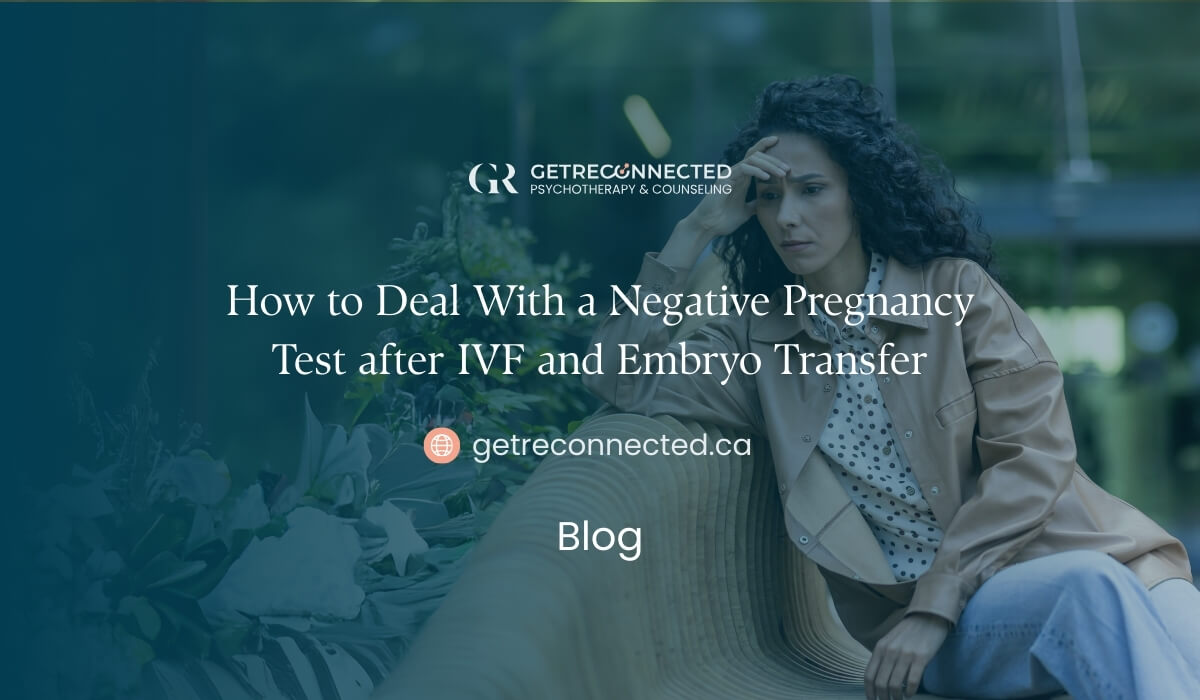
IVF failure can feel like an emotional tsunami. One moment you're filled with eagerness, the next, you're consumed by feelings of disappointment. It's a difficult cycle that can force you to confront your sense of self. Connecting with loved ones, joining a support group, or seeking professional help are all valuable methods for navigating this challenging journey. Remember that you're not facing this experience alone.
Finding Strength in Community: Support Systems for Infertility Journeys
Infertility can feel like a lonely journey. The emotional and physical challenges can sometimes make it difficult to see past the present pain. However, remember that you are click here not isolated. Building a strong community of supportive people can be an invaluable source of strength during this difficult time.
Connecting with others who understand your experiences can offer a sense of relief. Sharing your emotions and listening to the stories of others can create a space of connection. Consider joining online forums specifically for individuals navigating infertility. These spaces provide opportunities to learn from one another, share coping strategies, and build lasting relationships.
Remember that seeking out community is not a sign of weakness; it's a valuable act of self-care. By surrounding yourself with love, you can navigate the complexities of infertility with greater strength.
Navigating the Psychological Toll of IVF Setbacks
The journey through In Vitro Fertilization can be emotionally intense, and when faced with unsuccessful outcome, it's natural to experience a range of intense emotions. Regret are common feelings, as is anger. It's important to remember that you are not alone in this struggle. Many individuals and couples who undergo IVF face similar obstacles. Seeking support from trusted family can be a valuable first step in coping with these feelings.
Additionally, consider exploring clinical help from a therapist or counselor specializing in IVF. They can provide support to cope with the emotional impact of IVF failure and develop healthy approaches for moving forward. Remember, taking care of your mental well-being is crucial during this time.
Processing Grief and Loss: Understanding the Emotional Toll of Infertility
Infertility can be a deeply painful/difficult/heartbreaking experience, often leading to intense feelings of grief and loss. Many/Some/Numerous individuals struggling with infertility may encounter/feel/experience a sense of longing for a child they've been unable to conceive, which can manifest as a profound emotional burden/weight/strain. It's important to acknowledge that these feelings are valid/understandable/normal, and seeking support is crucial during this challenging time.
Sharing your struggles/experiences/pain with a therapist can help you process your emotions and feel/gain/develop a sense of connection/understanding/belonging. Remember/Keep in mind/Understand that you're not alone/isolated/going through this by yourself in your journey, and there are resources available to provide guidance and comfort/support/assistance.
Navigating a New Path After IVF
IVF experience can be emotionally intense. It's common to feel a range of emotions, from euphoria to sadness. Despite the outcome, it's important to cultivate resilience and hope as you embark a new path.
Remember that your power lies in your ability to transform. Embrace to grieve any loss, and seek for understanding from loved ones, a therapist, or support groups.
Building a sense of hope involves focusing on the possibilities that lie ahead. This could comprise exploring alternative family-building options, finding new passions, or simply embracing the present moment.
You are not alone on this road. With grit, you can thrive and build a future filled with meaning.
Prioritizing Your Well-being: Self-Care Strategies for Fertility Treatment
Embarking on fertility treatment can be an emotionally and physically demanding process. It's vital to prioritize your well-being during this time. Self-care isn't a luxury; it's essential for navigating the ups and downs of treatment successfully.
- Incorporate mindfulness techniques into your daily routine. Consider yoga, meditation, or deep breathing exercises to manage anxiety and promote a sense of calm.
- Nourish your body with healthy foods that provide energy and support your overall health. Stay hydrated by drinking plenty of water throughout the day.
- Connect with loved ones who offer understanding and comfort. Sharing your feelings and experiences can be incredibly healing.
- Engage in activities that bring you joy. Whether it's reading, listening to music, spending time in nature, or pursuing hobbies, make time for things that uplift your spirits.
- Establish realistic boundaries. Learn to say "no" to commitments that drain your energy or add unnecessary stress.
Remember, taking care of yourself is not selfish; it's an act of empowerment. By prioritizing your well-being, you can navigate fertility treatment with greater resilience and hope.
Report this wiki page